Sustainability
Why BSFL Extraction is More Sustainable Than Conventional Processes
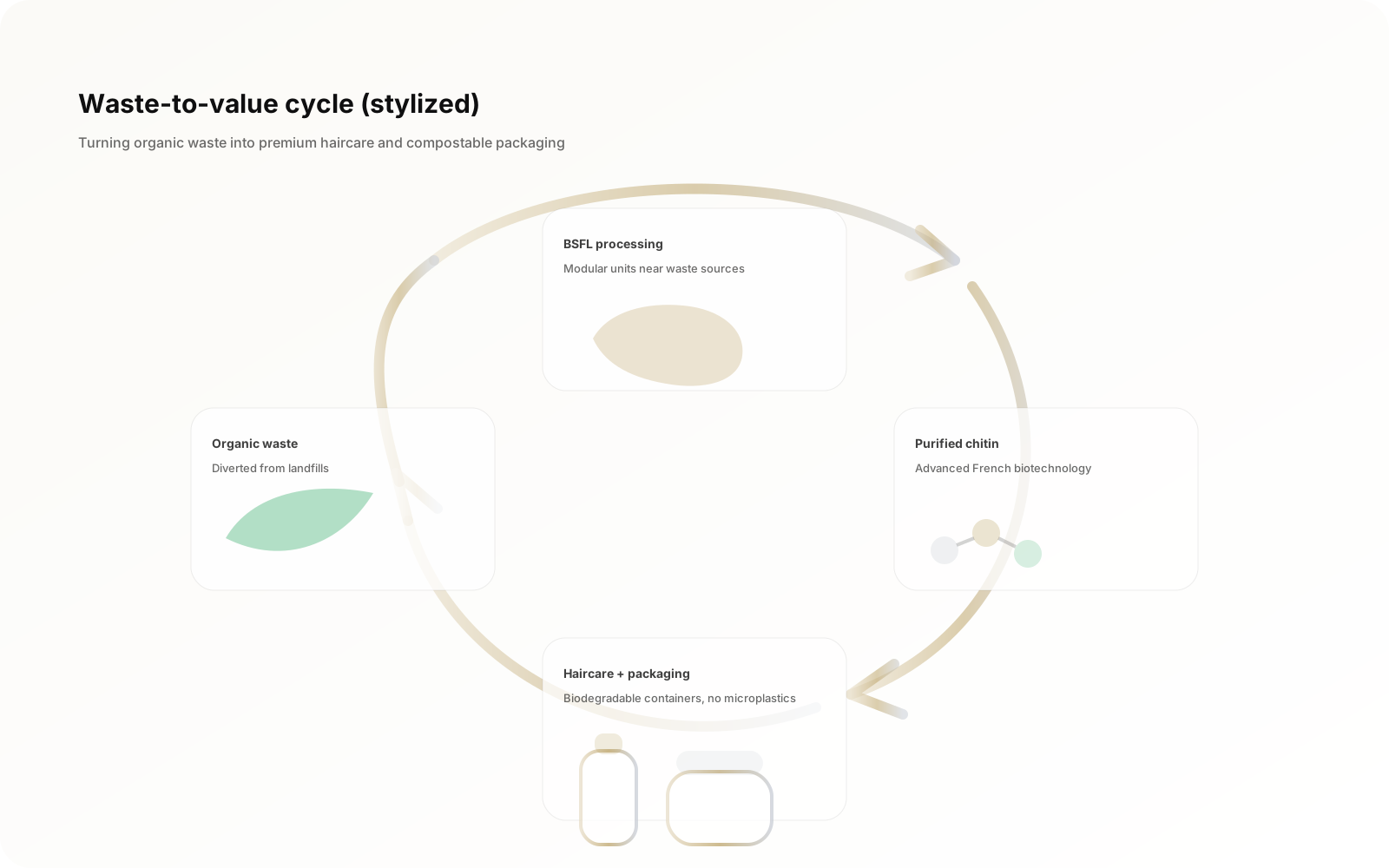
Sustainability isn’t a buzzword for Luxitin – it’s built into our core. By leveraging black soldier fly larvae (BSFL) for chitin extraction via advanced French biotechnology, we offer a greener alternative to traditional crustacean-based methods. Our BSFL are produced in modular units moved close to waste sources, reducing transportation and hauling for a cleaner environmental footprint in waste processing and eliminating organics in landfills. This extends to our groundbreaking packaging, made from the same extracted chitin for ultimate eco-innovation. This page explains the environmental advantages, so you can feel good about choosing products that care for the planet as much as they care for your hair.

The Conventional Process: Crustacean Chitin Extraction
Most commercial chitin comes from shrimp, crab, and lobster shells – byproducts of the seafood industry. While it repurposes waste, the process has significant drawbacks:
- High Environmental Footprint: Shellfish farming and fishing contribute to overfishing, habitat destruction, and ocean pollution. Processing requires large volumes of water (up to 10 tons per ton of chitin) and harsh chemicals like HCl and NaOH, leading to toxic wastewater.
- Seasonal and Inconsistent Supply: Dependent on fishing seasons, it faces supply chain vulnerabilities and potential contamination from marine pollutants like microplastics or heavy metals.
- Carbon Emissions: Global transportation of shells adds to a high CO2 footprint, estimated at 5-10 kg CO2 per kg of chitin.
The BSFL Advantage: A Circular Economy Model
BSFL, the larvae of Hermetia illucens, are nature’s recyclers. Fed on organic waste like food scraps or agricultural byproducts, they convert it into valuable biomass. Our modular production units are deployed near waste sources, minimizing transport emissions and preventing organic waste from reaching landfills where it would release methane. Our advanced French biotechnology refines this into high-purity chitin, offering:
- Waste Reduction: BSFL reduce organic waste by 50-70% in days, diverting it from landfills and cutting methane emissions. One ton of BSFL can process 5-10 tons of waste.
- Lower Resource Use: Production requires minimal water (80% less than shellfish) and land, with no need for pesticides or antibiotics. The process is energy-efficient, using enzymes over chemicals for a 40-60% reduction in emissions.
- Year-Round Scalability: Modular units enable consistent production, independent of seasons or geography, with a smaller ecological footprint – BSFL systems emit 90% less CO2 than traditional methods.
- Byproduct Valorization: Beyond chitin, BSFL yield protein for animal feed and frass (larval waste) as organic fertilizer, creating a zero-waste loop.
Innovative Chitin-Based Packaging
Amplifying Sustainability
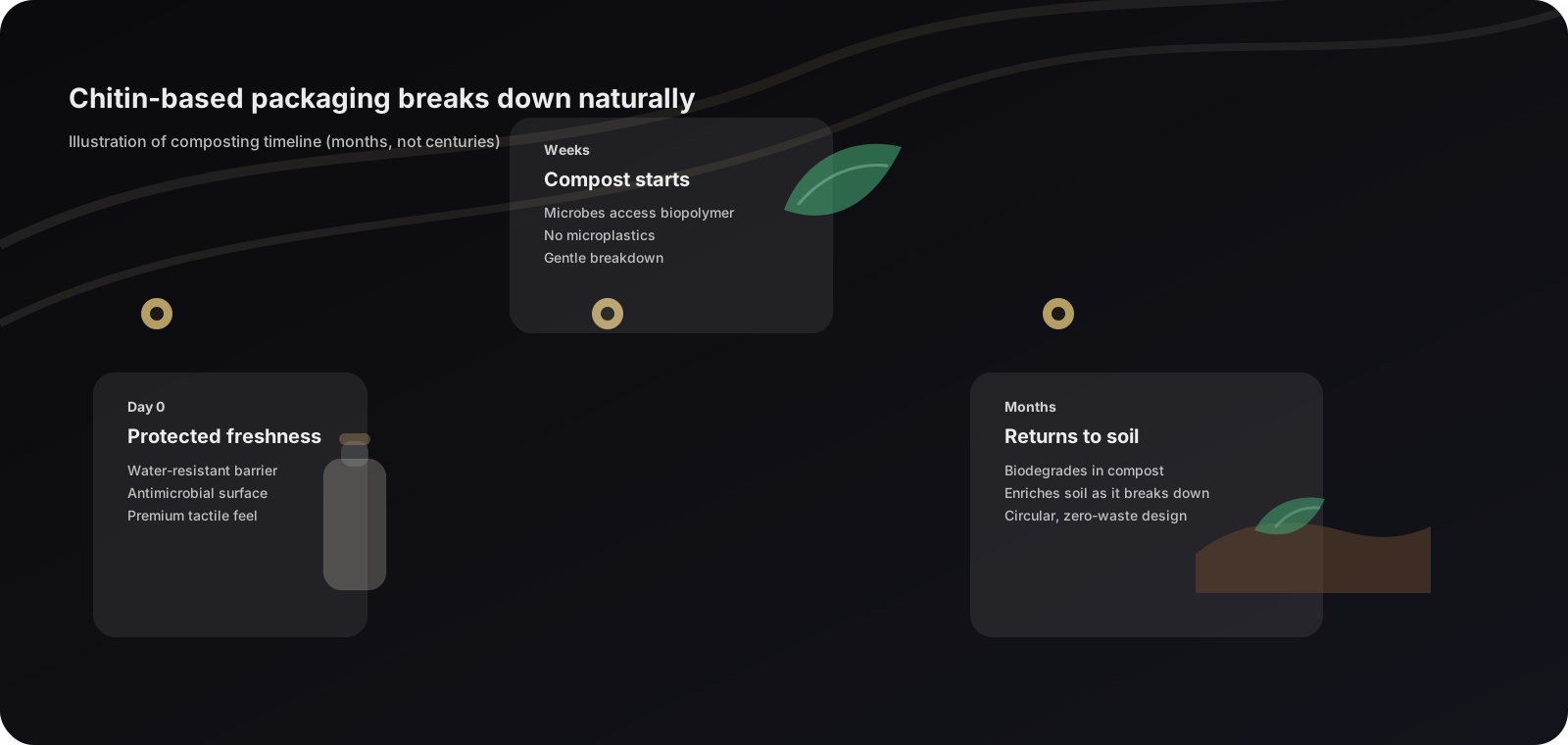
Taking it further, we use this purified chitin to create our biodegradable packaging – a true innovation that closes the loop. Unlike plastic, chitin films and containers decompose naturally, enriching soil as they break down. Benefits include: superior barrier properties to keep products fresh longer, antimicrobial features to prevent spoilage without additives, and a reduced reliance on fossil fuels. This approach cuts packaging waste by up to 90% compared to conventional plastics, making every Luxitin purchase a step toward a plastic-free world.
Comparative Impact
- Carbon Footprint: BSFL chitin: ~1-2 kg CO2/kg vs. Crustacean: 5-10 kg CO2/kg.
- Water Usage: BSFL: 1-2 tons/ton vs. Crustacean: 10+ tons/ton.
- Biodiversity: BSFL production supports circular agriculture without harming marine ecosystems.